.png)
.png)

The night before school starts can bring a mix of excitement and nerves—not just for children, but for parents too.
Maybe your child is worried about making new friends. Maybe they're wondering if they'll like their teacher, remember where to put their backpack, or know what to do at lunchtime. Even children who loved school last year can feel anxious when routines change.
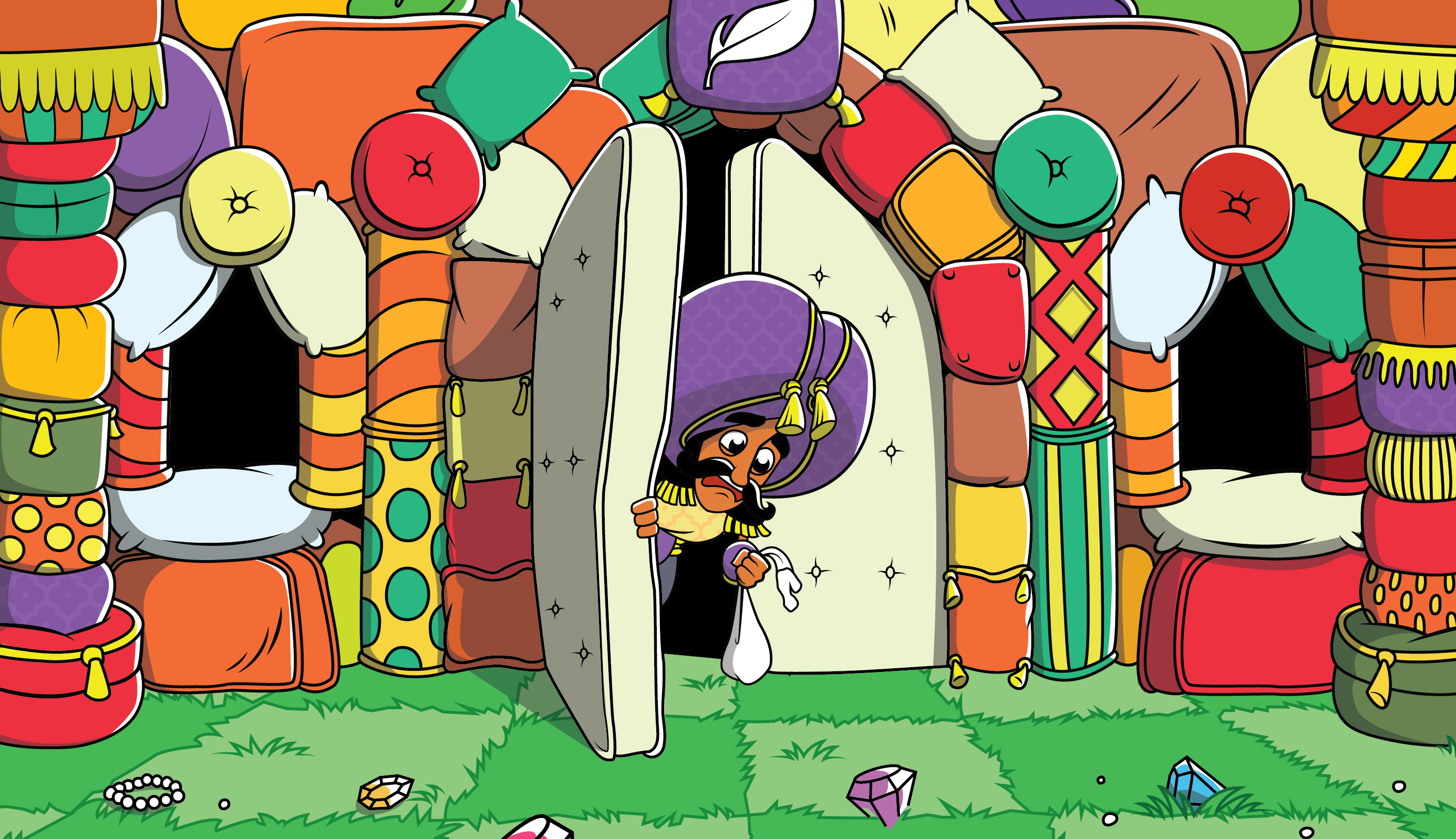
At Story Time Chess, one of our favorite characters, King Shaky, is famous for being nervous about... well... everything. He reminds us that feeling worried isn't something to "fix." It's a normal part of trying something new.
The good news? Research shows there are simple, practical ways parents can help children feel calmer and more prepared before the first day of school.
Here are eight strategies backed by child development experts:
1. Normalize the butterflies
One of the most powerful things you can say is:
"It makes sense that you're feeling nervous."
Children often assume they're the only ones feeling anxious. Simply letting them know that butterflies are a normal part of new experiences can reduce shame and help them move through those feelings.
Avoid jumping straight to, "Don't worry—you'll be fine."
Instead, try asking:
When children feel heard, they often become more confident in handling their emotions.
2. Practice the routine before the big day
Uncertainty fuels anxiety.
If possible, visit the school, drive the drop-off route, or walk around the building before school begins. Even practicing simple routines—putting on shoes, packing a backpack, or eating breakfast at the same time you'll eat during the school year—helps make the first day feel familiar instead of overwhelming.
Children gain confidence through repetition.
3. Shift sleep schedules gradually
Summer schedules are often more relaxed, which makes the first week of school feel especially exhausting.
Instead of making a dramatic change the night before school starts, begin moving bedtime and wake-up time earlier by 15–20 minutes each day about a week before school begins.
Adequate sleep supports emotional regulation, attention, memory, and learning—all things children need during the first weeks of school.
4. Give children small jobs
Confidence grows when children feel capable.
Invite your child to:
These small responsibilities create a sense of ownership and help children feel prepared for the day ahead.
5. Teach one simple calming strategy
When children become anxious, their bodies often react before their minds do.
One easy technique to practice together is "dragon breathing."
Repeat three times.
Practicing this at home means your child has a familiar tool they can use if they start feeling overwhelmed at school.
6. Focus on something to look forward to
Our brains naturally pay more attention to potential problems than positive possibilities.
Help shift the balance by asking:
"What's one thing you're excited about?"
Maybe it's:
Children can feel nervous and excited at the same time. Both emotions can exist together.
7. Protect downtime
The beginning of the school year can feel busy with activities, homework, and adjusting to new routines.
Whenever possible, leave room for unstructured play, outdoor time, reading together, or simply talking about the day.
Children process big changes best when they have opportunities to slow down.
8. Remember that confidence comes after courage
As parents, we often hope our children will feel confident before they try something new.
In reality, confidence usually comes afterward.
Children become confident because they experience something unfamiliar, discover they can handle it, and remember that success the next time they face a challenge.
The first day doesn't have to be perfect.
A child who walks into school feeling nervous—and goes anyway—is already practicing resilience.
A Note from King Shaky
King Shaky still worries about forgetting his lunch, getting lost on the way to the classroom, or accidentally sitting in the wrong seat.
Queen Bella always reminds him of the same thing:
"Bravery isn't having no butterflies. It's taking the next step anyway."
We think that's a pretty good reminder for children—and grown-ups, too.
Here's to a wonderful school year filled with curiosity, confidence, and lots of brave little moments.